

By the time most commentary reacts, the window has already narrowed.
CORE Take pieces are intentionally short. They surface early pressure signals, decision traps, and narrative shifts that often go unnoticed until it’s too late.
Read them as early indicators — not final judgments.
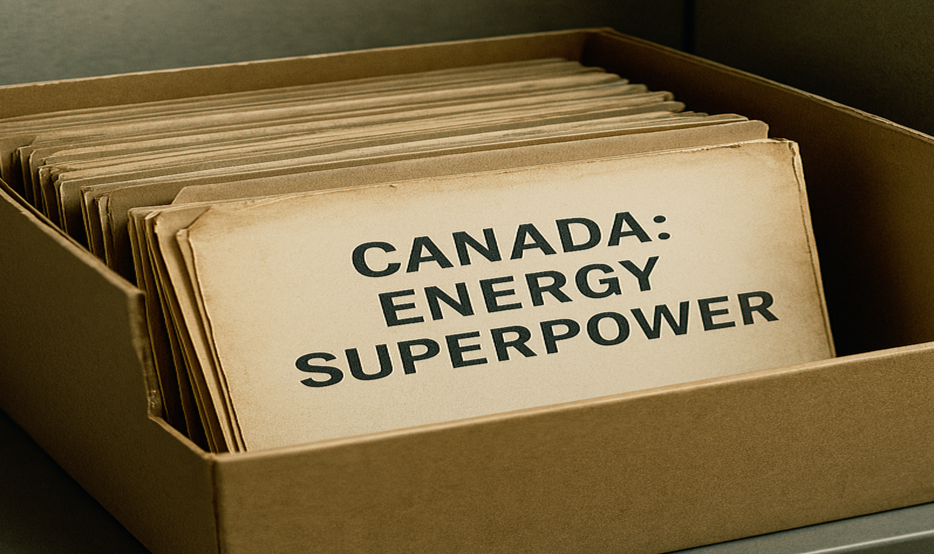
Canada, an energy superpower?
A group of Canadians coined the phrase “energy superpower” 20 years ago. But vision alone won’t get us there—especially if governments keep burying the blueprint.
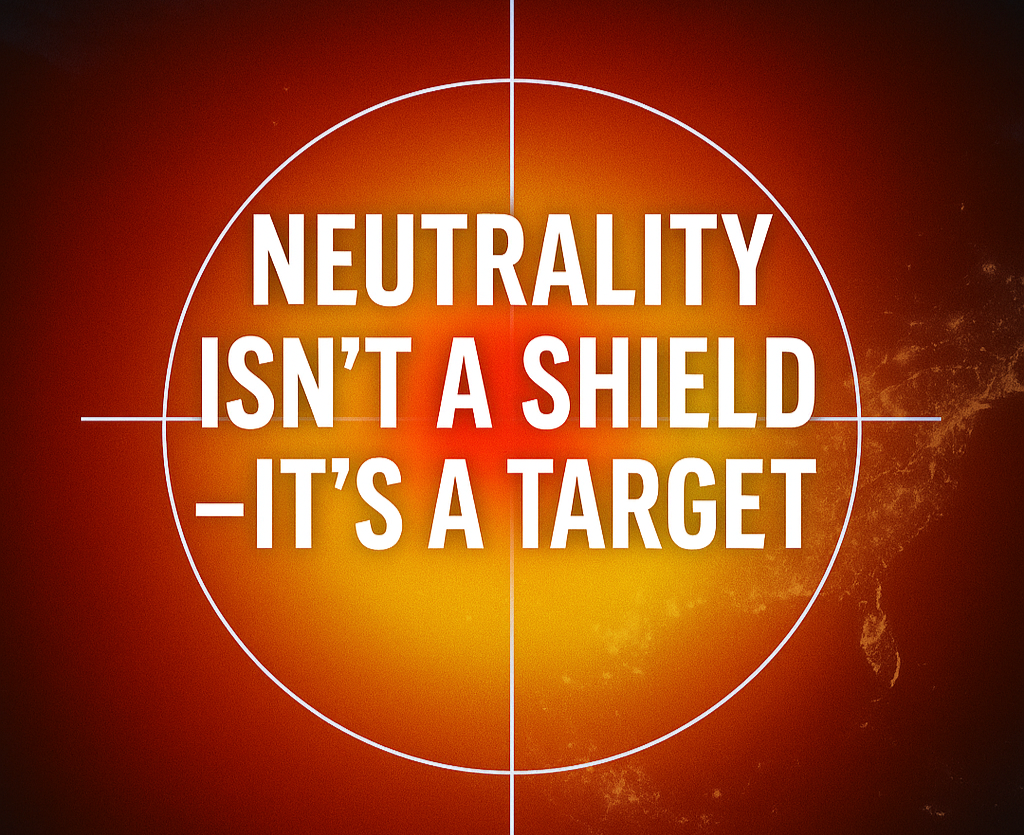
Neutrality isn’t a shield. It’s a target.
Neutrality isn't safety—it's a target. In today's high-stakes environment, silence signals weakness. Here's why brands can't stay on the sidelines.
Energy Corridors: Speed or mirage?
Energy corridors offer a promise of faster infrastructure — but without real engagement, property rights and constitutional duties risk being ignored.
CORE Strategic breaks down why trust and legal resilience must come first.
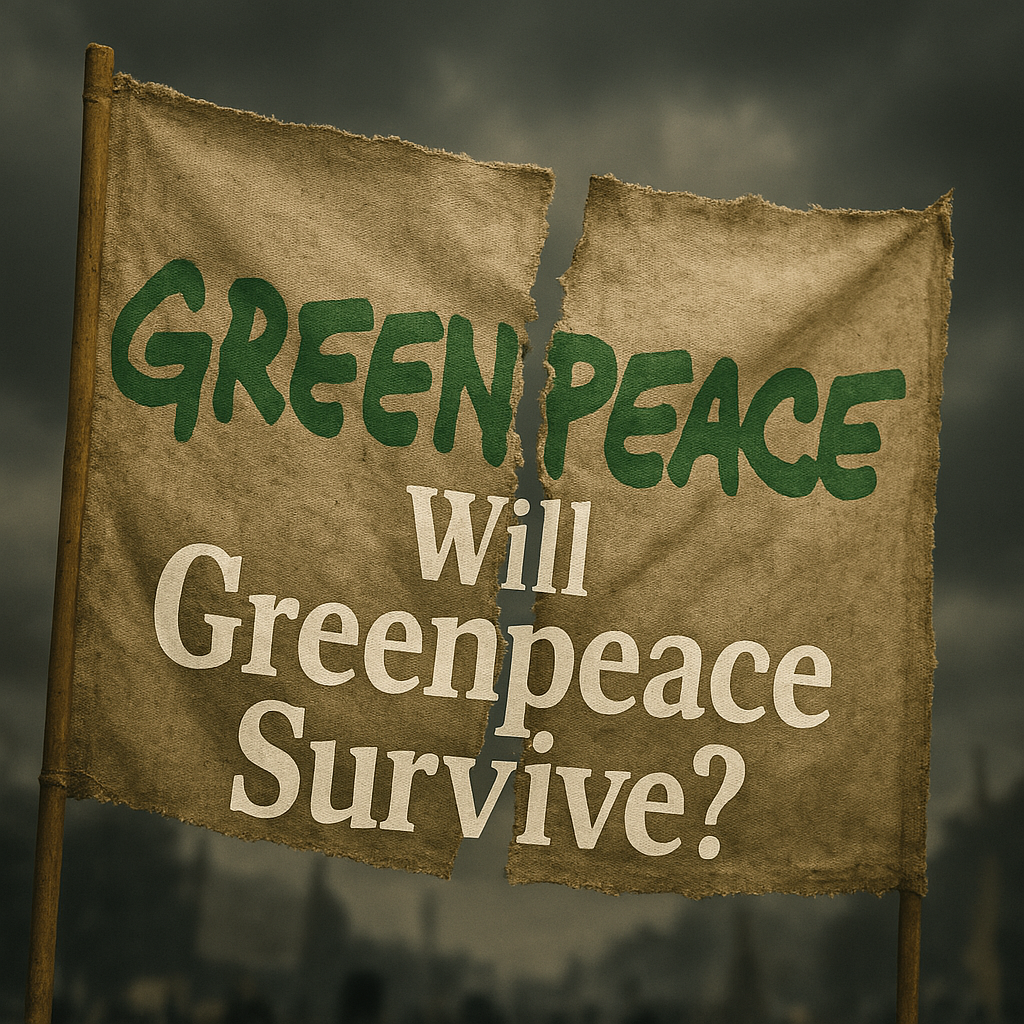
Will Greenpeace Survive? Activist Playbook Backfires
When a jury found Greenpeace liable for $660 million in defamation damages, it broke new ground.
Facts matter, and after a civil trial, this lawsuit ls monumental for many reasons. And the verdict sends a clear message: the truth matters.
Op-Ed: Building trust during major emergencies begins with direct communication
In this op-ed, we outline issues experienced by the City of Calgary during the water main break that impacted more than one million people in the city and surrounding region.
Based on experience in crisis management, we share improvements the City of Calgary could make.

Op-Ed: Does public property mean anything goes in protests?
As we follow protests around the world, we hear people arguing that they pay taxes and that their free speech rights should also extend to the “right” to occupy property. But there have always been limits – and governments need to enforce the laws and regulations to protect people and those spaces.