

Analysis on risk, pressure, and decision-making across systems.
The CORE Series brings together analyses on risk, pressure, and decision-making across sectors. Each piece focuses on how issues emerge, how signals are missed or misread, and why outcomes are often shaped well before they’re publicly visible.
The goal is simple: surface patterns early, clarify what matters, and create space for better judgment before decisions are forced.

Speaking Across Worlds: Cross-Cultural Communication Isn’t Just Translation — It’s Transformation
In cross-cultural spaces, clarity isn't enough—respect is essential. This #COREseries explores why Indigenous communication begins with listening, not translation, and how true allyship means doing the work to understand lived experience on its own terms.

We’ve evolved. Explore the new CORE.
CORE Strategic has rebranded with a bold new identity, reaffirming its commitment to high-impact advisory work in Risk + Response and Strategic Impact. Discover what’s changed — and what hasn’t.

Make or break: Getting the right people in a crisis
We’ve all seen how important the right leadership is to handling situations. In a crisis or attack, it’s even more critical.
In life, leaders can be the hero or the scapegoat, depending on what people perceive. Think about professional sports. One year a team has an exciting playoff run – the coach and team are celebrated. The next year they don’t make the playoffs and the public hunt for a new coach begins. Now think about business. A company enjoys record profits - the CEO and senior leadership are praised and admired. The next year the company struggles and the whispers start.
Read how to lead during a crisis.
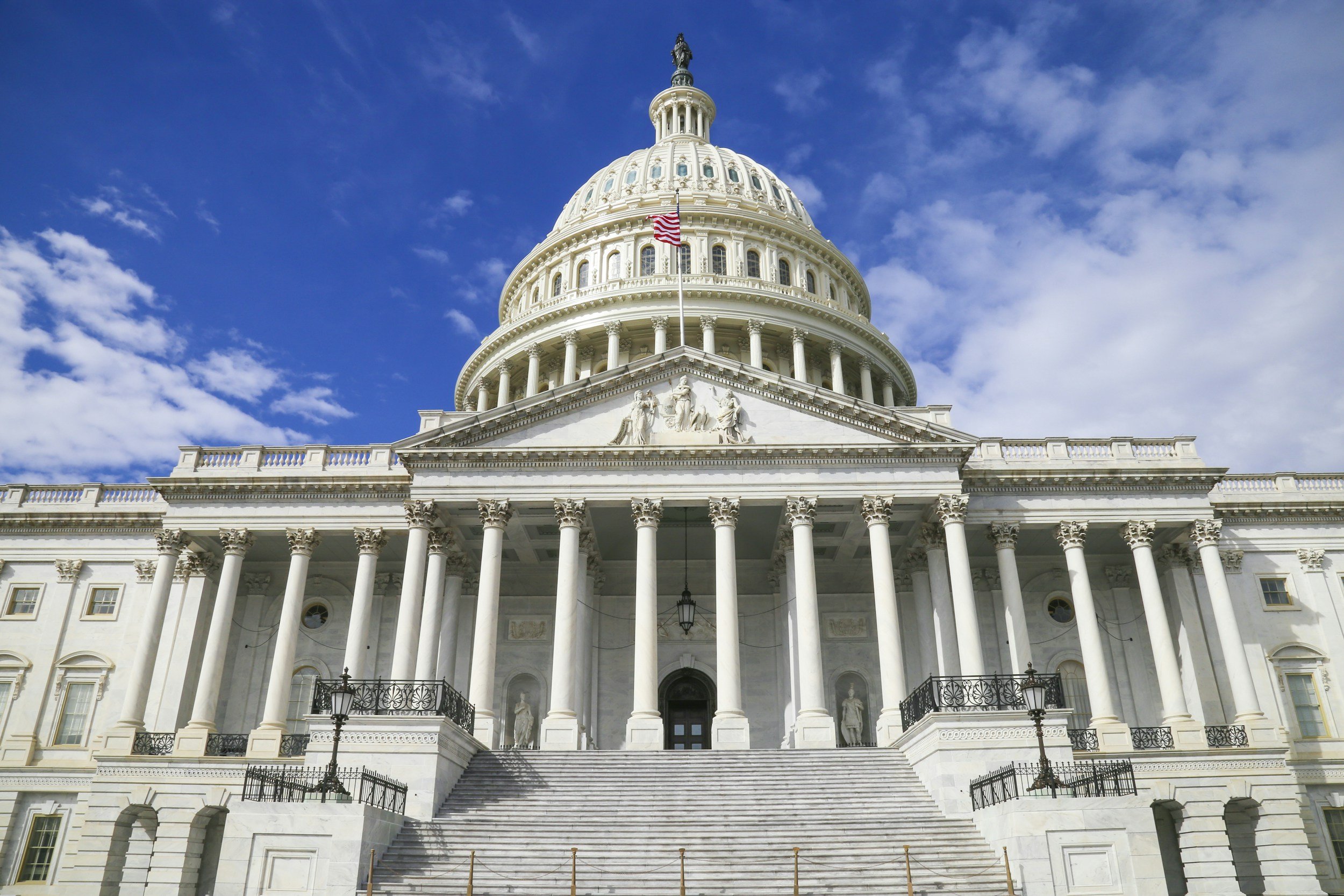
Confessions of a CEO
“I believe the government pressure was wrong, and I regret that we were not more outspoken about it.” Meta CEO Mark Zuckerberg
Unfortunately, as governments (and connected organizations they support to advance their causes) have grown, the pressure they can bring to bear on individuals and organizations can be too much. Suddenly they have their turf to protect, their job to hold onto and their sense of importance to preserve. When a company as large and influential as Twitter, Google, Facebook or others relent, we all lose.
Read our perspective on why business is quiet in the face of government pressure - and what you can do to be prepared for it.

Tone Deaf: When brands lose sight of mission
Businesses exist for a variety of purposes. Some offer products to meet needs in the market. Others provide essential services. Some may focus on social change. But there’s an old saying I learned in politics: you can’t fight for a cause if you can’t feed your family. The same translates to business: you can’t support causes if you don’t make a profit.
Whatever the cause, whatever the reason, it’s critical organizations do their homework first. Does it align with your current customer profile? Does it signal a departure from what you’ve done in the past? How will employees or suppliers respond? How will it impact you.

Breakdown: How the Secret Service’s communications fell short
Not only did the attempted assassination of former President Trump shock the senses, it also appeared to overwhelm the communications capabilities of the U.S. Secret Service. Because of how they’re portrayed in popular entertainment and public relations, we’d expect the Secret Service to handle every aspect of a crisis event like this with relative ease, jumping into action without hesitation and being able to communicate with confidence. But that’s not what we’ve seen play out publicly so far, and it’s not a big leap to significant changes could be in store for this vaunted agency once all the investigations are completed.
Keep reading our tips for how crisis communications should unfold.